Doctor Guided Weight Loss Online in NZ
Doctor guided weight loss online gives New Zealanders a safer, simpler path to treatment, side-effect support and sustainable metabolic progress.

A lot of people do not need more weight-loss content. They need a clearer path. If you have been comparing clinics, reading about GLP-1 medicines, and wondering what is actually safe, doctor guided weight loss online can make the process far more structured than trying to piece it together yourself.
For many New Zealand adults, the appeal is obvious. You want medical oversight, practical support, and a process that fits around work, family, and real life. What matters is not just whether treatment is available online, but whether the care model helps you lose fat safely, manage side effects, and protect your longer-term metabolic health.
What doctor guided weight loss online actually means
The phrase gets used loosely, so it helps to be specific. Doctor guided weight loss online usually means a medical weight-management service delivered through telehealth. Instead of relying on generic diet plans or social-media advice, you complete a health assessment, speak with a clinician if appropriate, and receive an individual plan based on your medical history, goals, and treatment suitability.
That plan may or may not include prescription medication. In some cases, the doctor will recommend lifestyle change alone. In others, they may discuss options such as GLP-1 medicines, especially where appetite regulation, insulin resistance, or previous weight-loss difficulty suggest a more clinical approach is worth considering.
The key point is that the doctor is not there simply to prescribe. A good service should assess risk, screen for contraindications, explain expected benefits and limits, and monitor how you respond over time.
Why online care appeals to NZ readers
In-person care is still valuable, but access can be patchy. Depending on where you live, finding a GP or clinic with a strong interest in obesity medicine or metabolic health is not always straightforward. Online models reduce some of that friction.
They can also be more comfortable. Many people delay seeking support because they are tired of being judged, rushed, or handed the same broad advice they have heard for years. A virtual pathway can feel more private and more practical, especially if you want time to review your options properly.
That said, convenience should not be confused with lower standards. Good online care still needs proper screening, clear communication, and follow-up. If a service promises fast prescriptions with very little clinical detail, that is a reason to pause.
What a quality doctor-guided online weight-loss service should include
The strongest services are structured, not just convenient. They should begin with a detailed intake process that looks at current weight, health history, medications, family risk, and your previous attempts at fat loss. This matters because not all weight gain has the same drivers, and not all treatments fit every person.
A proper pathway should also address expectations. If a platform frames medication as a magic fix, that is a red flag. Clinically guided treatment works best when it sits inside a broader plan that considers food intake, protein targets, movement, sleep, and behaviour change.
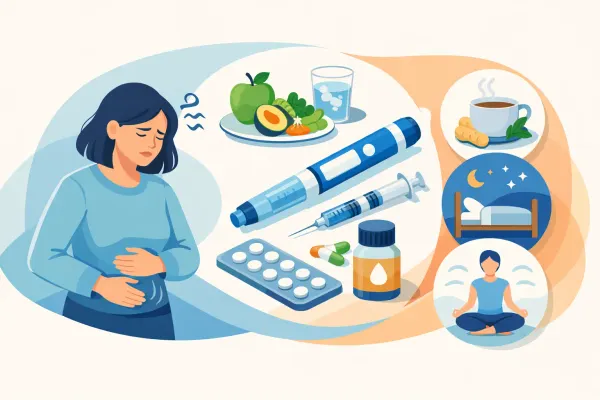
Follow-up is where the real value often sits. Early treatment can involve appetite changes, nausea, constipation, fatigue, or uncertainty around meal size. Without support, people can under-eat, lose muscle, stop treatment too early, or assume normal adjustment effects mean the medication is wrong for them. With guidance, many of these issues can be managed more calmly and more effectively.
Medication is only one piece
GLP-1 medicines have changed the conversation around medical weight loss, but they are not the whole story. They can help reduce hunger and improve adherence, yet they also create new responsibilities. If appetite drops sharply, your protein intake can fall with it. If your energy intake gets too low, muscle retention becomes harder. If side effects are ignored, consistency drops.
That is why the better online models talk about body composition, not just kilos. Losing fat while protecting lean mass is usually a better goal than chasing the fastest possible drop on the scale.
Monitoring matters more than people think
One of the biggest advantages of doctor guided weight loss online is ongoing review. Weight change is not always linear. Some people respond quickly to a treatment plan, while others need dose adjustments, dietary changes, or a rethink of the approach altogether.
Monitoring also helps catch issues early. A clinician may identify that symptoms are dose-related, that adherence is slipping because of cost or routine, or that a person needs additional support around nutrition, exercise, or emotional eating patterns. That is a very different experience from being handed a prescription and left to work it out alone.
Who it may suit best
Online doctor-guided care can be a strong fit for adults who want a medically supervised approach without unnecessary delays. It often suits people who have tried repeated diet cycles, those with weight-related health concerns, or those exploring whether GLP-1 treatment could be appropriate under proper supervision.
It may also suit people who value privacy and flexibility. Booking from home, completing forms online, and accessing follow-up remotely can make treatment easier to maintain.
Still, it is not perfect for everyone. If you have complex medical issues, severe side effects, or symptoms that need physical examination, in-person care may need to sit alongside telehealth. The best model is not always online only. Sometimes it is online for access and convenience, with local clinical support when needed.
Questions to ask before you sign up
Before choosing a service, look past the headline promise. Ask how eligibility is assessed, who reviews your history, what follow-up is included, and how side effects are managed. Check whether support continues after the first consult or prescription.
You should also want clarity on the full treatment philosophy. Does the service discuss nutrition quality, protein, resistance training, and muscle preservation? Does it explain when medication may not be suitable? Does it set realistic expectations around rate of loss, cost, and maintenance?
These details matter because safe progress usually looks more measured than marketing suggests. Sustainable treatment is rarely the most dramatic-looking option.
The trade-offs to understand
Online care solves access problems, but it also depends on honest self-reporting and good communication. If you rush through questionnaires or downplay symptoms, the service can only work with the information provided. The same goes for follow-up. Telehealth is effective when patients stay engaged.
There is also the issue of treatment quality varying between providers. Some services are genuinely clinician-led and education-focused. Others lean heavily on conversion and speed. That does not mean online care is risky by default. It means you need to look for signs of real clinical governance rather than polished branding alone.
For NZ readers, local relevance matters too. Advice copied from overseas content is not always useful when prescribing rules, availability, and pathways differ. That is one reason brands like Metabolic Flow focus on translating this space into practical guidance for New Zealanders rather than repeating generic global advice.
Doctor guided weight loss online and long-term results
The real question is not whether online treatment can help you lose weight. It often can. The better question is whether it helps you build a plan you can sustain.
Long-term results usually depend on more than appetite suppression. They depend on whether you learn how to eat well when hunger is lower, whether you maintain muscle through adequate protein and strength training, and whether your care team adjusts the plan as your body changes. Early momentum is useful. Long-term metabolic resilience is better.
That is why a strong online program should help you think beyond the first few months. What happens if progress slows? What happens when your target weight gets closer? What is the plan for maintenance, habit support, and ongoing medical review? If those questions are ignored, the model is incomplete.
What to look for next
If you are considering doctor guided weight loss online, look for a service that combines medical screening, clear education, realistic expectations, and ongoing support. You should feel informed, not rushed. You should understand why a treatment is recommended, what the trade-offs are, and how your progress will be monitored.
The right pathway should lower confusion, not add to it. Good care does not just help you start. It helps you make steady, safer decisions when motivation dips, side effects show up, or the scale stops moving for a while.
A useful next step is not chasing the fastest promise. It is choosing a model that treats fat loss as part of a bigger metabolic picture, because that is where better outcomes usually begin.