9 GLP-1 Nausea Relief Tips That Actually Help
Try these GLP-1 nausea relief tips to ease queasiness, protect hydration, and stay on track during the early adjustment phase.
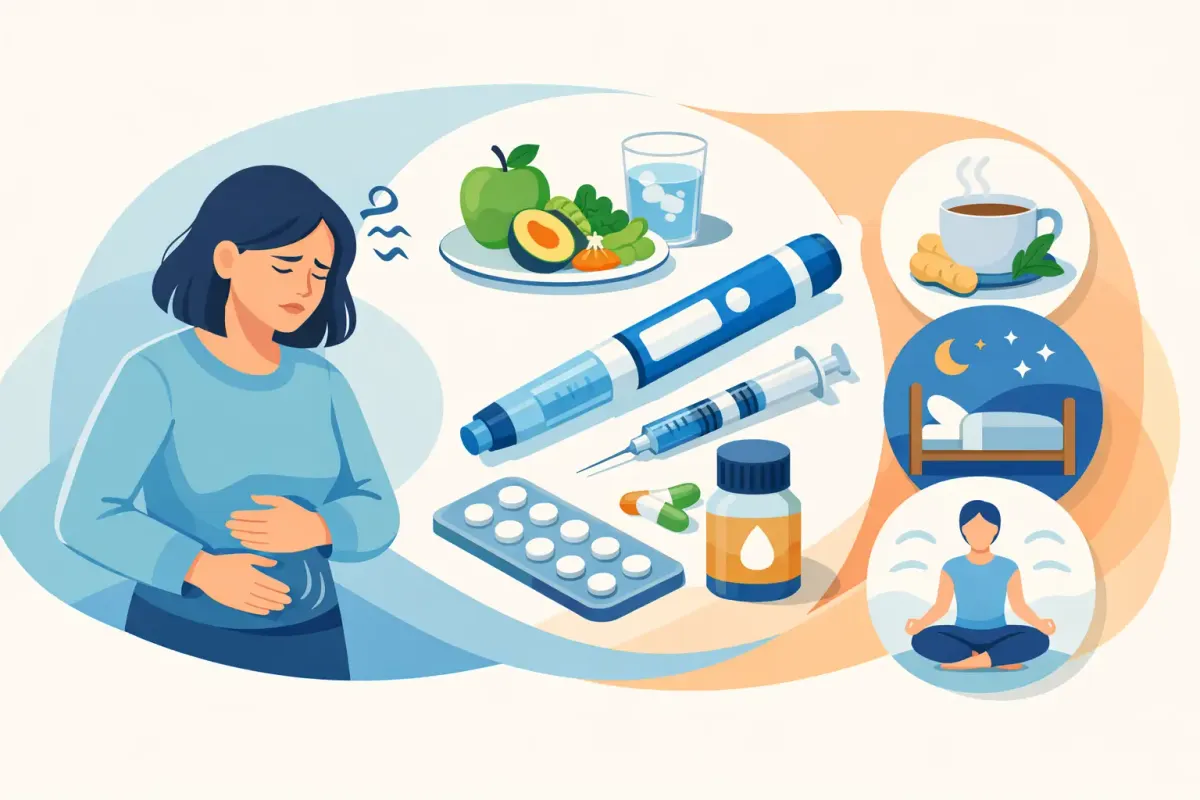
That washed-out, unsettled feeling after starting a GLP-1 medication can make people question whether they can stick with treatment at all. The good news is that GLP-1 nausea relief tips are usually practical, not complicated, and they work best when you use them early rather than waiting until symptoms build.
Nausea is one of the most common side effects during the adjustment phase of medications such as semaglutide and tirzepatide. For many people, it settles as the body adapts. But "common" does not mean you should just push through it. If nausea is affecting your fluids, food intake, sleep, training, or day-to-day function, it needs a strategy.
Why GLP-1 nausea happens
GLP-1 medications slow gastric emptying, which means food leaves the stomach more slowly. That can help with appetite control, but it can also create a heavy, overly full feeling, especially if portion sizes have not changed yet. Some people also notice nausea is worse after high-fat meals, large meals, fast eating, or when they go too long without drinking enough.
Dose changes matter too. Symptoms often flare when treatment starts or when the dose increases. That does not always mean the medication is wrong for you. It may simply mean your body needs a slower adjustment period, tighter meal structure, or a discussion with your prescriber about timing.
GLP-1 nausea relief tips that make the biggest difference
The most effective approach is not one trick. It is a set of small habits that reduce pressure on the stomach while keeping hydration and nutrition stable.
1. Eat less in one sitting
This is the change that helps many people fastest. If your usual meal size has stayed the same, nausea can show up because the stomach is holding onto food for longer than before. Smaller meals tend to be easier to tolerate than three large ones.
Think in terms of lighter portions, slower pacing, and stopping before you feel fully full. If you hit the point of pressure in the upper stomach, you have probably gone a bit too far.
2. Slow your eating right down
Fast eating and GLP-1s are a rough combination. When food arrives quickly, the fullness signal often lags behind, and nausea can follow soon after. Slowing down gives your gut more time to process what is happening.
Put the fork down between bites, chew properly, and give meals time. It sounds basic, but clinically simple changes often matter most when gastric emptying is slower.
3. Keep meals plainer when symptoms flare
Rich, greasy, fried, or very creamy foods can be harder to tolerate. The same goes for oversized takeaway meals or anything that is both fatty and heavy. When nausea is active, blander options are often easier on the stomach.
That might mean toast, crackers, rice, oats, yoghurt, soup, banana, or a simple lean protein with vegetables in a modest portion. This is not about eating perfectly. It is about reducing the chance of your next meal making the problem worse.
4. Don’t let hydration slide
Dehydration can make nausea feel stronger, and nausea can make it harder to drink enough. That cycle is one of the main reasons mild symptoms become disruptive. Sip fluids regularly across the day rather than trying to catch up all at once.
Plain water is useful, but it is not the only option. Some people tolerate chilled fluids better. Others find small sips of electrolyte drinks or clear soups easier when their appetite is off. If vomiting or diarrhoea is part of the picture, hydration needs more attention, not less.
5. Avoid lying flat after meals
If you eat and then collapse onto the couch or bed, nausea and reflux can both feel worse. Staying upright for a while after meals can reduce that heavy, rising sensation.
A gentle walk can help some people, but hard training straight after eating may backfire. This is one of those it-depends situations. Light movement often helps. Intense exercise when you already feel queasy usually does not.
6. Watch your injection day pattern
Some people notice symptoms cluster on the day of the injection or the day after. If that is happening, it helps to plan ahead. Keep meals lighter, avoid restaurant-size portions, and prioritise fluids around that window.
It is also worth noticing whether alcohol, very rich meals, or late-night eating are landing close to your dose day. Sometimes the medication gets blamed for what is actually a stacking effect.
7. Be careful with coffee and alcohol
For some people, coffee on an empty stomach is enough to tip mild nausea into something more unpleasant. Alcohol can do the same, especially if food intake has dropped. Neither is automatically off limits, but both are worth reassessing while symptoms are active.
If you want to test tolerance, do it conservatively. Smaller amounts, never on an empty stomach, and not at the same time as a heavy meal is usually the safer way to judge what your body can handle.
8. Protect your protein without forcing huge meals
This matters more than many people realise. If nausea leads to chronically low intake, the risk is not just feeling lousy for a few days. Over time, poor nutrition can undermine energy, recovery, and muscle mass during fat loss.
The answer is not forcing giant protein meals when your stomach is already pushing back. Instead, think smaller serves across the day. Yoghurt, eggs, softer protein options, soups with added protein, or a simple shake may be easier than a large piece of meat at dinner. The goal is steady intake, not perfection at every meal.
When nausea means your plan needs adjusting
Not all nausea should be managed at home. Mild symptoms that improve with meal changes and time are common. Persistent nausea that is stopping you from eating enough, drinking enough, working normally, or taking part in daily life deserves medical review.
Signs to contact your prescriber sooner
If you are vomiting repeatedly, unable to keep fluids down, getting dizzy when standing, noticing signs of dehydration, or losing weight very rapidly because you cannot eat, speak with your clinician. The same applies if symptoms intensify after a dose increase and do not settle.
Sometimes the solution is a slower titration schedule. Sometimes it is a temporary pause, a lower dose, or support with anti-nausea treatment. There is no prize for suffering through a dose that your body is clearly not tolerating.
Severe abdominal pain is different
General queasiness and early fullness are common GLP-1 issues. Severe or persistent abdominal pain is different and should not be brushed off as standard adjustment. If pain is significant, especially with ongoing vomiting or feeling acutely unwell, get urgent medical advice.
A practical eating pattern for rough days
When nausea is active, structure helps. Waiting until you feel ravenous can make the next meal too large and harder to tolerate. A steadier rhythm often works better.
Aim for small, simple meals or snacks spaced through the day, with regular fluids in between. Keep portions modest. Prioritise foods you know sit well. If mornings are worst, make breakfast very light and build later only if your stomach allows it.
This is also where expectations matter. On a rough day, the goal is not a perfect high-protein, high-fibre meal plan. The goal is getting enough fluids and enough gentle nutrition to avoid making tomorrow harder.
What not to do when you feel sick on GLP-1s
The biggest mistake is trying to eat your old portions because you think you should. The second is skipping fluids because drinking feels unappealing. The third is assuming severe nausea is just something everyone has to tolerate.
Another common issue is increasing the dose while symptoms from the current dose are still poorly controlled. For some people, that is manageable. For others, it creates a predictable spiral. Good treatment is not about rushing upward. It is about finding the lowest effective dose you can tolerate and sustain.
At Metabolic Flow, we see the best outcomes when side effects are managed as part of a broader metabolic plan, not treated like an inconvenience to ignore. Better pacing, better hydration, and better nutrition usually support better adherence too.
The bottom line on GLP-1 nausea relief tips
Most nausea improves when you reduce meal size, slow your eating, simplify food choices, and stay ahead of dehydration. If those shifts are not enough, that is useful information, not a failure. It may mean your body needs a slower progression or more clinical support.
The best next step is usually the simplest one: make your next meal smaller, your next drink sooner, and your next dose discussion more honest.